

Access Denied
IMPORTANT! If you’re a store owner, please make sure you have Customer accounts enabled in your Store Admin, as you have customer based locks set up with EasyLockdown app. Enable Customer Accounts
Aviation History and Photos Blog | PlaneTags™

From Runway to Fairway: The Story Behind Our Delta 717 Golf Ball Markers
The Boeing 717 played a key role in Delta Air Lines’ short-haul fleet for years. Today, material from these aircraft is being reused in a new way. Delta 717 golf ball markers are made from authentic aircraft skin, turning a retired jet into a functional item used on the green.
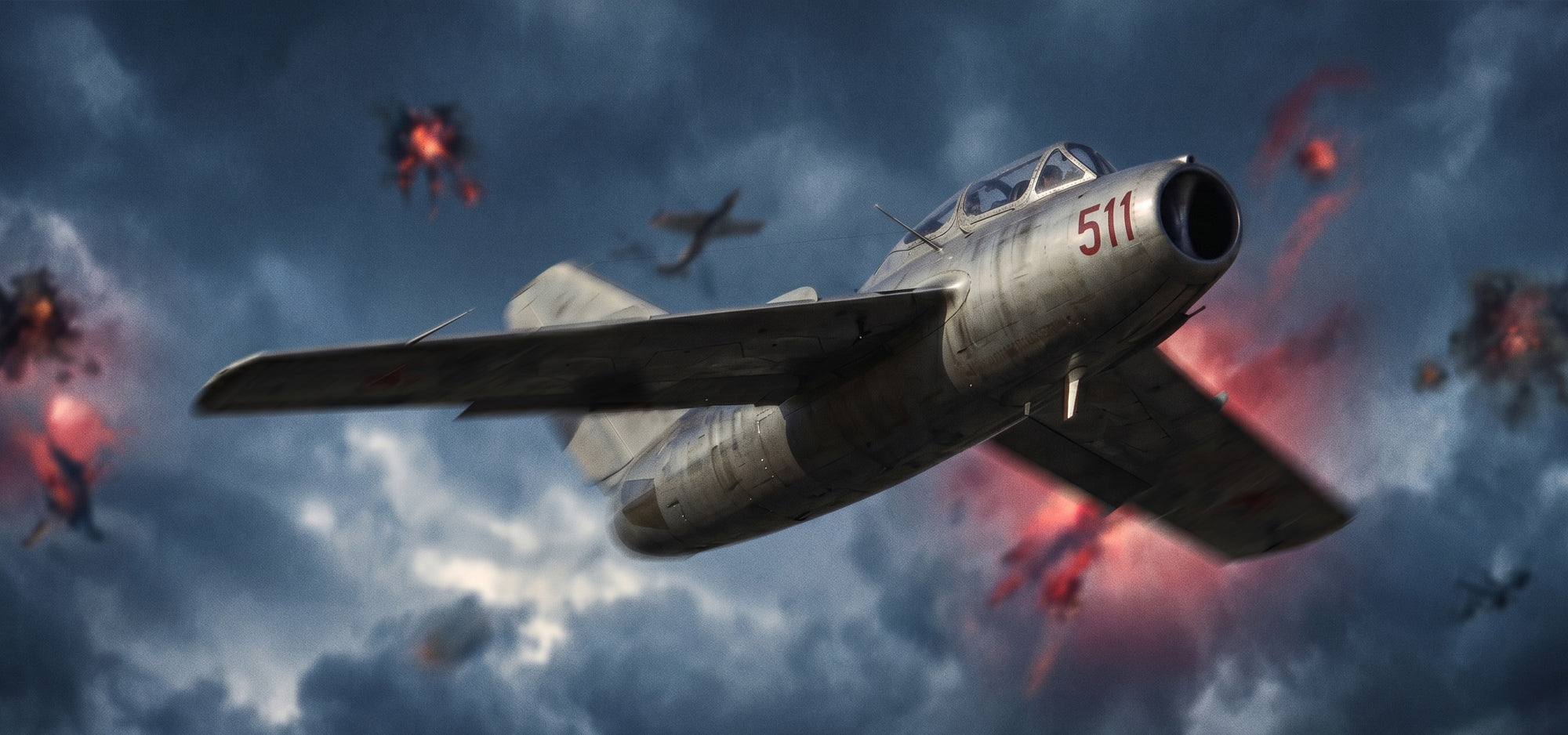
MiG-15: Cold War History Built Behind the Iron Curtain
The MiG-15 was one of the most influential jet fighters of the early Cold War. With its swept wings, near-transonic speed, and devastating cannon armament, it changed aerial combat forever and became a feared adversary in the skies over Korea.
Now, MotoArt is preserving the legacy of this iconic Soviet fighter with authentic PlaneTags made from the skin of Polish-built SBLim-2 N2400X “Red 511.” This rare trainer variant served for decades before eventually making its way to the United States, where it was preserved in 2026 for aviation enthusiasts and collectors alike.

Two NASA T-38 Talons: Training the Pilots and Astronauts Who Pushed the Limits
Some aircraft make headlines. Others make history behind the scenes.
The Northrop T-38 Talon is one of the most important jets most people never think about. Introduced in the early 1960s, it became the world’s first supersonic trainer and has shaped generations of high-performance pilots.
At NASA, the T-38 still plays a critical role today. Long before launch, astronauts are in the cockpit of a Talon, building the precision and discipline required for spaceflight.
This release features two NASA T-38 Talons. Each followed a different path. Together, they represent the full scope of NASA flight.

Life Aboard USS Midway: The Doors That Held It All Together
The newest Midway PlaneTags are made from authentic USS Midway watertight doors, including doors such as 2-75-6.
Located below deck, these doors connected the spaces where sailors lived and worked. Layers of paint and wear reflect years of daily use.
Open. Closed. Passed through thousands of times.
Through MotoArt’s partnership with the USS Midway Museum, this material has been preserved and given a second life.
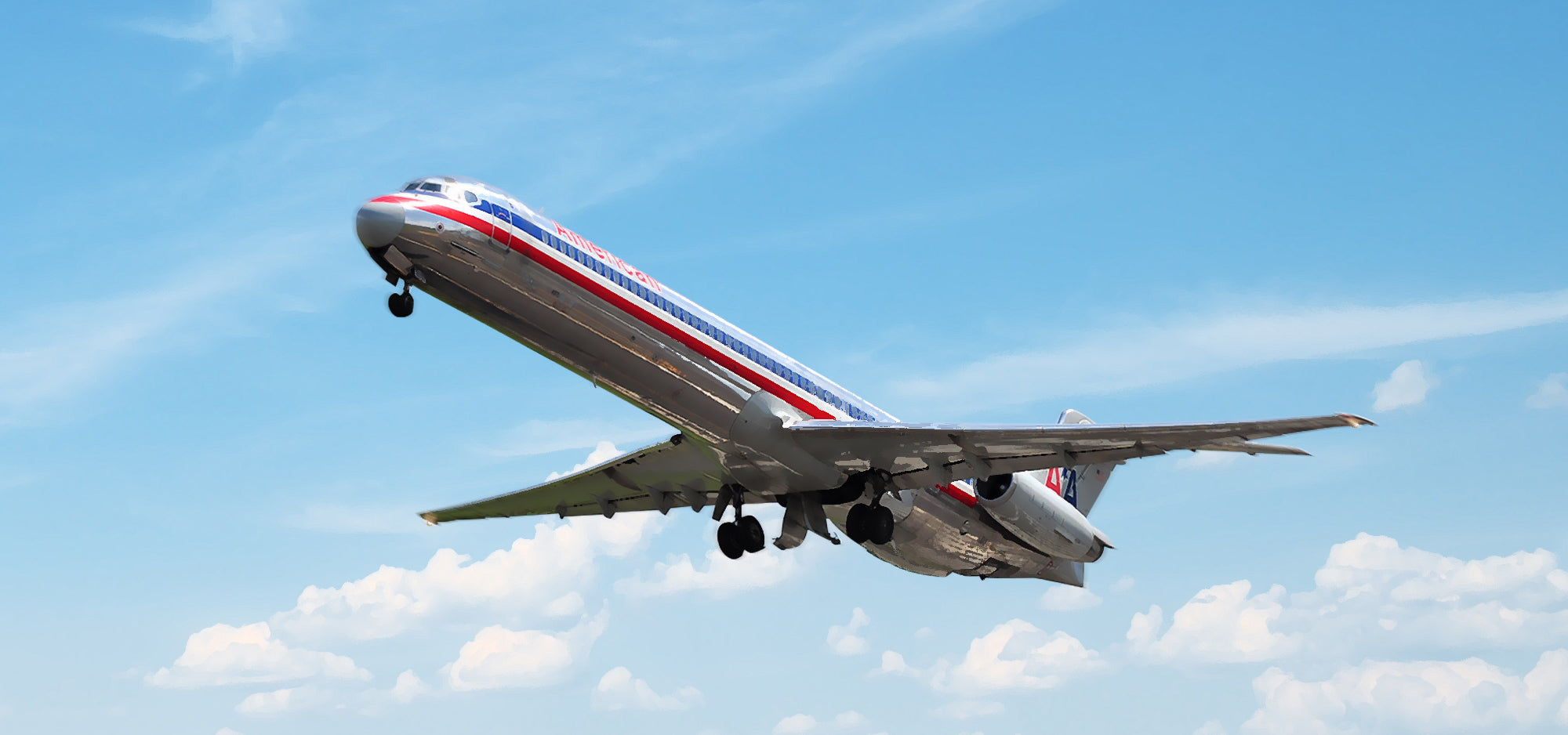
American Airlines MD-82 N470AA: The Super 80 That Defined an Era
As American Airlines approaches its 100-year anniversary in 2026, it is a good time to look back at the aircraft that supported its growth over the decades.
One of the most recognizable of those aircraft was the McDonnell Douglas MD-80, often referred to as the “Super 80.” While it was not the newest aircraft by the end of its service life, it played a central role in domestic air travel in the United States.
MD-82 N470AA is one of those aircraft. Delivered in 1988 and flown for nearly 28 years, it represents a period when the MD-80 was a consistent and familiar part of the flying experience.
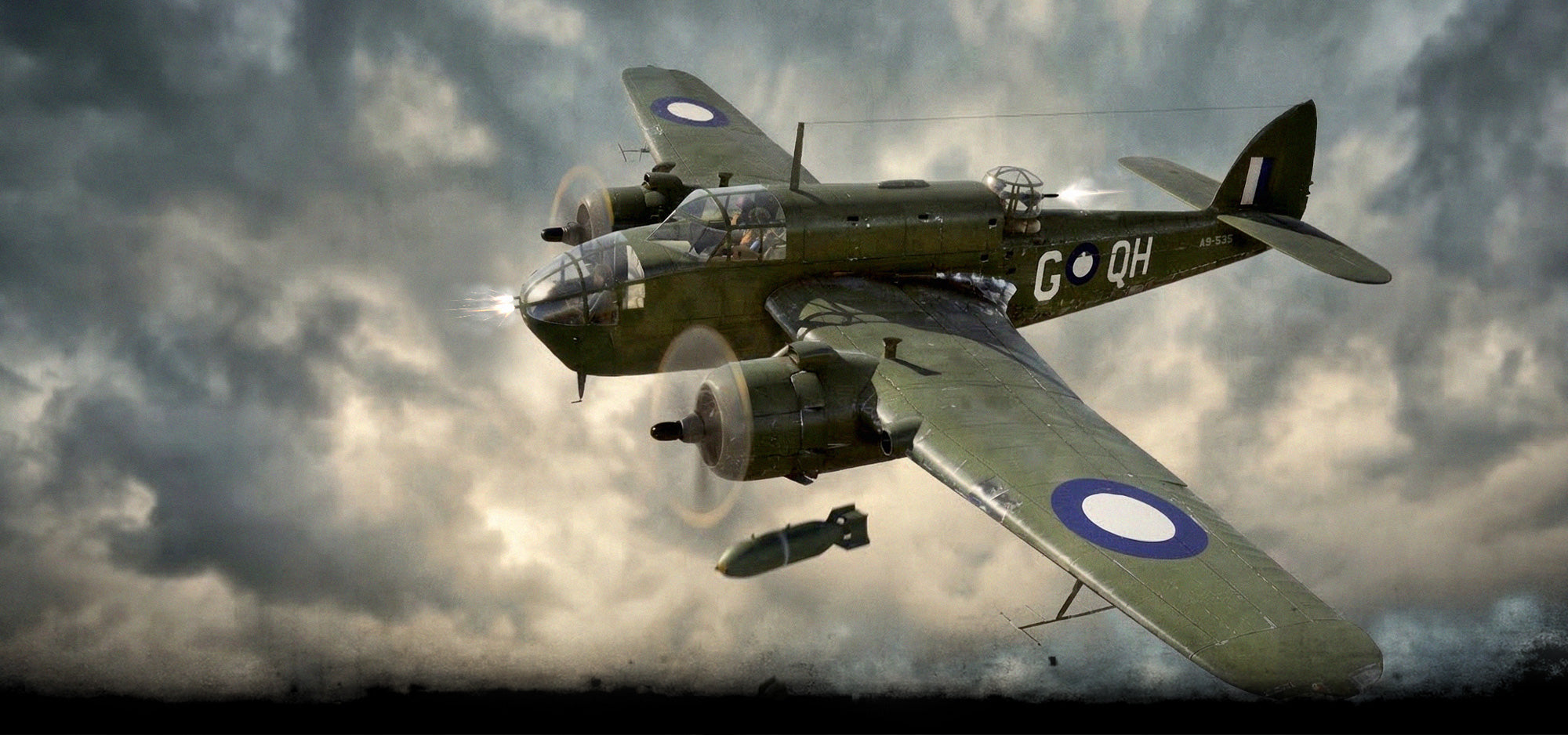
Bristol Beaufort A9-535: A Torpedo Bomber from the Pacific War
During the Second World War, control of the seas often depended on aircraft capable of striking enemy ships far from shore. One of the most important aircraft developed for this role was the Bristol Beaufort, a twin-engine torpedo bomber that...
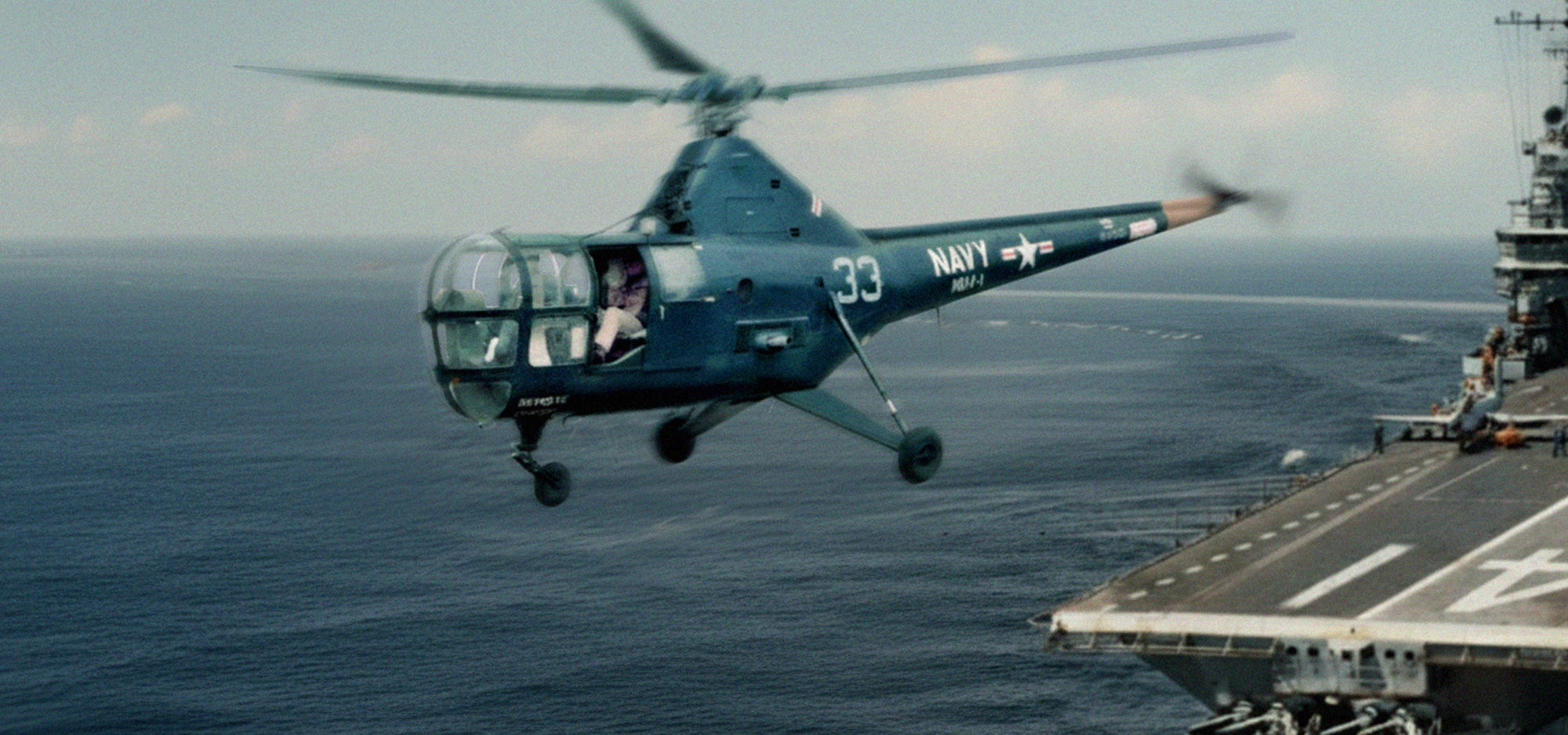
Sikorsky H-5 Dragonfly: The Navy’s First Fleet Helicopter
The Sikorsky H-5 Dragonfly, designated HO3S-1 in U.S. Navy service, was the helicopter that permanently changed naval aviation.
Introduced in the late 1940s, the H-5 became the first Navy helicopter to replace fixed-wing aircraft operating with the fleet. It established practical shipboard helicopter operations and laid the foundation for modern combat search and rescue doctrine.
Helicopters are now indispensable to naval operations worldwide. That integration began with the Dragonfly.

Yakovlev Yak-3UA “Full Noise”: From Fighter to Reno Air Racing Competitor
The Yakovlev Yak-3 is widely regarded as one of the most effective Soviet fighters of World War II. Compact, lightweight, and optimized for low-altitude combat, it earned a strong reputation among pilots on the Eastern Front for its maneuverability and climb performance.
The Yakovlev Yak-3UA known as Full Noise carries that legacy into the modern era. Built in 1993 using original Soviet tooling and engineering drawings, later powered by an American Allison V-1710 engine, and campaigned in the Unlimited class at the Reno Air Races, this aircraft represents a rare intersection of wartime design, post Cold War reconstruction, and modern competition.
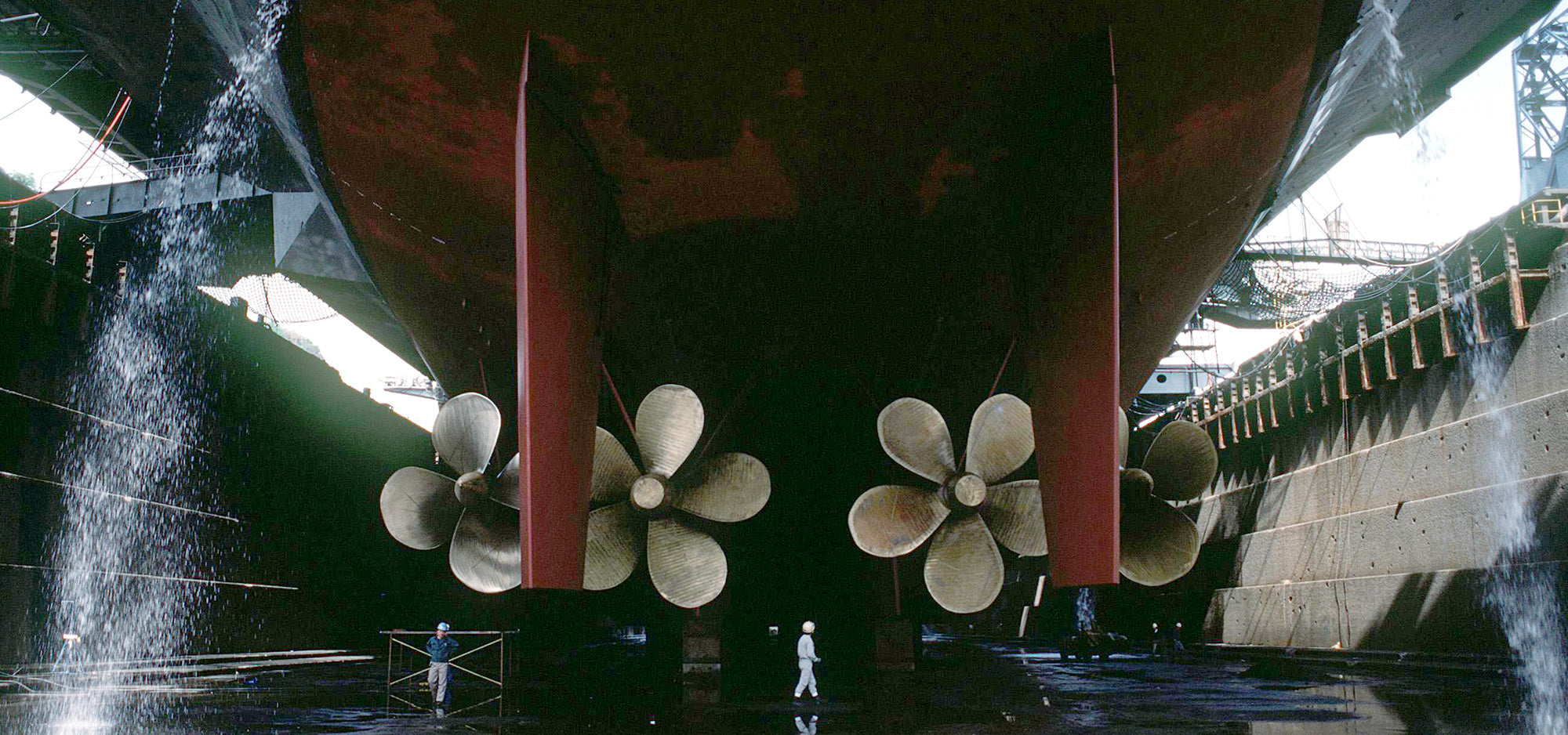
USS Midway History: Preserving the Materials of a Legendary Carrier
Working with a ship as historically significant as USS Midway carries a responsibility that goes beyond creation. Commissioned in 1945 and serving for nearly fifty years, Midway was not only a cornerstone of U.S. naval aviation, but a place shaped by daily work, movement, and life at sea.
This project, developed in partnership with the USS Midway Museum, is rooted in preservation first. The materials being used are not simply artifacts. They are elements that played essential roles in how the ship moved, operated, and sustained the people aboard her. Each piece tells a different part of Midway’s story, and together they offer a fuller picture of service aboard one of the most important aircraft carriers of the 20th century.
Invalid password
Enter