

- by Mark Milutin
ABC Interview with Dave Hall
- by Mark Milutin
This site uses cookies for better user experience and analytics.
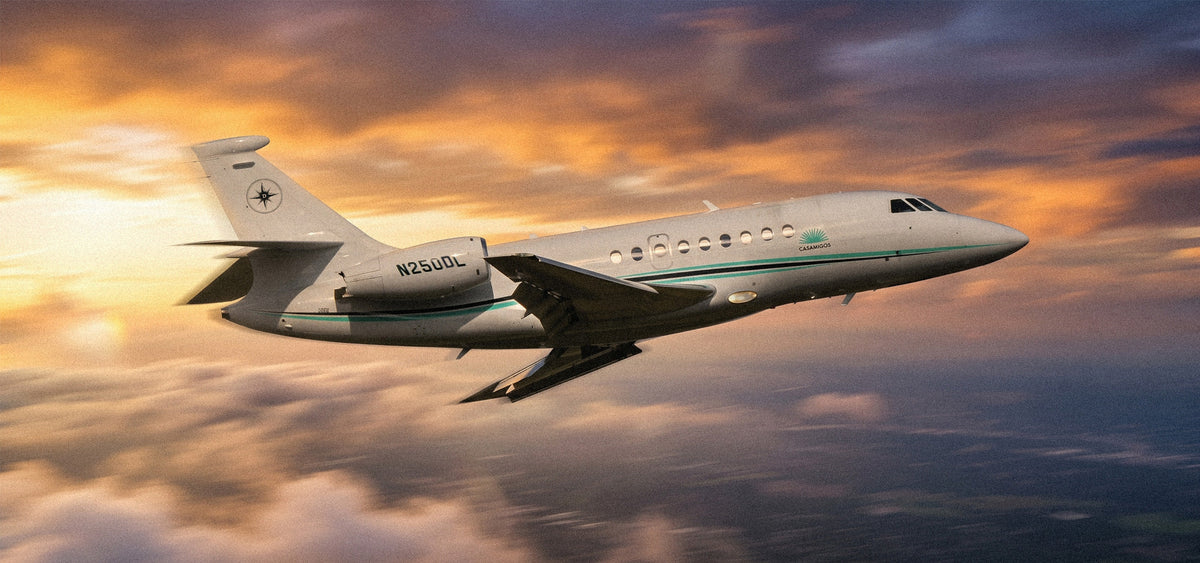
Dassault Falcon 2000 N250DL: A Business Jet with a Casamigos Connection
Meet Dassault Falcon 2000 N250DL, a business jet with a distinctive story. From advanced aircraft design and executive travel to Discovery Land Company and Casamigos, discover the history behind our newest PlaneTags release.

Boeing 737, 747 & 777: Three Chapters in Boeing Aviation History
Meet the 737, 747 and 777 joining the PlaneTags x Boeing Collection.
737. 747. 777. Three of the most recognizable numbers in aviation. Each represents an aircraft family with its own place in Boeing history. But every airplane within those families has a history of its own. That's the story behind the next three releases in the PlaneTags x Boeing Collection.
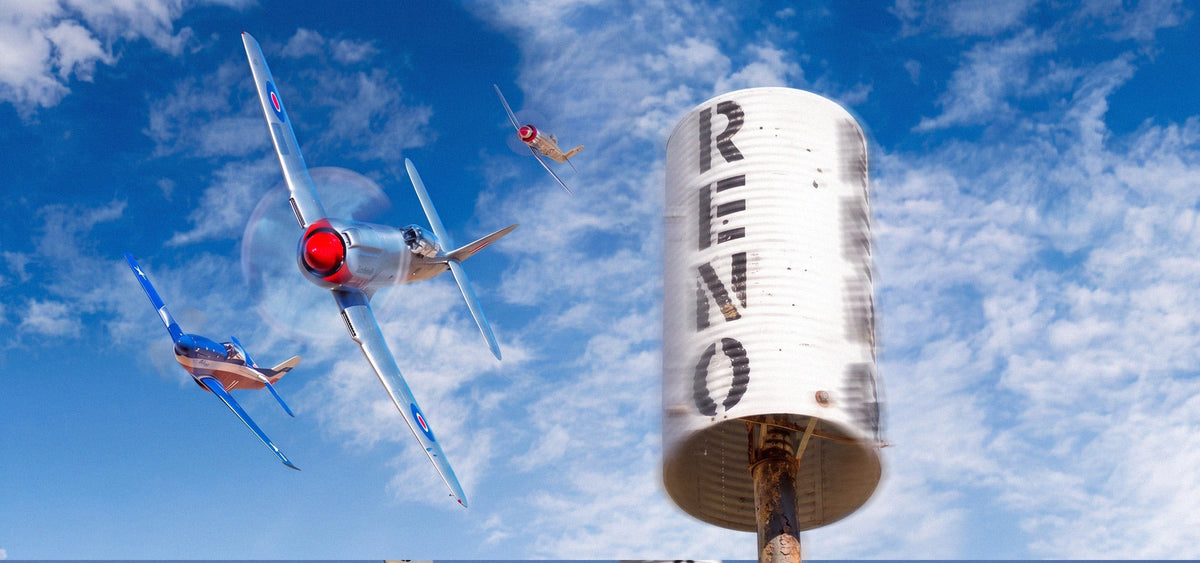
From the Racing Line: Preserving Reno’s Outer #4 Pylon
For MotoArt, the Reno National Championship Air Races go back a long way.
More than two decades after our first trips to Reno, that connection led to an unusual new preservation project. Following the final National Championship Air Races in Reno, MotoArt was contacted about some of the material left from the historic racecourse: the pylons themselves.
Share:
Qantas 747-400: Celebrating 100 Years of Pioneering Aviation
T-38 Talon: Pilot Trainer and USAF Workhorse