

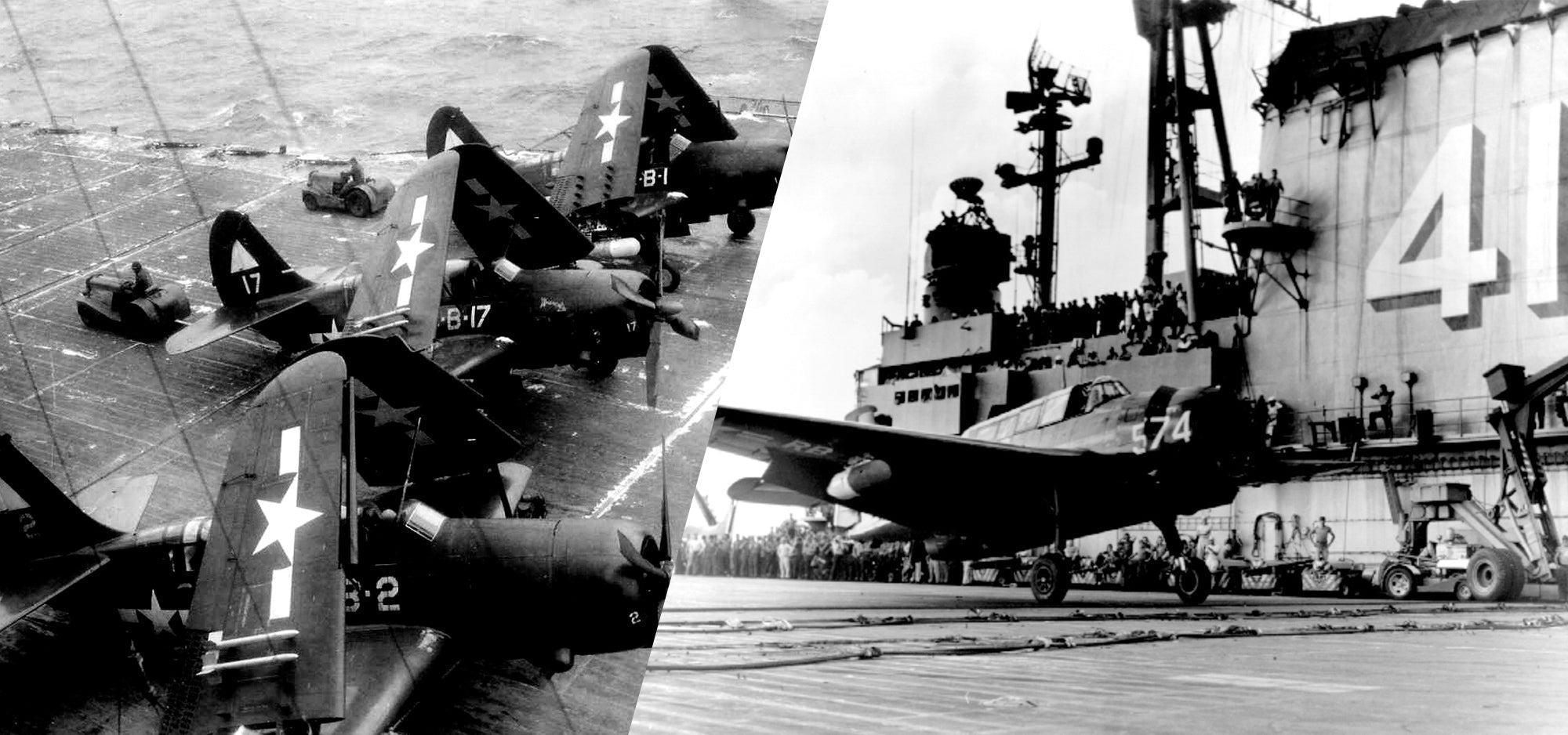
Few ships in U.S. naval history have carried the weight, responsibility, and longevity of USS Midway.
More than an aircraft carrier, Midway is a symbol of American innovation, adaptability, and service. For nearly half a century, she sailed through some of the most defining moments of modern history, carrying generations of sailors and aviators who called her home.
At MotoArt, we believe stories like Midway’s deserve to be preserved with care. We are honored to be working on a special preservation project connected to USS Midway, and we look forward to sharing more as this story unfolds.
The Birth of USS Midway

By US Navy Employee - Naval Historical Center, Public Domain, Link
USS Midway was commissioned on September 10, 1945, just days after the end of World War II. She was named in honor of the Battle of Midway, a pivotal naval victory that changed the course of the war in the Pacific.
At the time of her commissioning, USS Midway was the largest ship in the world. Measuring over 1,000 feet in length and weighing more than 60,000 tons fully loaded, she represented a new era in naval engineering and ambition.
Midway was not simply built for the war that had just ended. She was designed for the future.
Designed for the Jet Age

By U.S. Navy - U.S. Navy photo [1] from the USS Midway (CVB-41) 1952 cruise book available at Navysite.de, Public Domain, Link
USS Midway was the first U.S. aircraft carrier designed from the keel up to operate jet aircraft. Her armored flight deck, massive size, and advanced layout reflected a recognition that naval aviation was evolving rapidly.
This foresight proved critical. While many ships were rendered obsolete as technology advanced, Midway adapted. She underwent multiple upgrades throughout her service life, allowing her to support new aircraft, new missions, and new generations of aviators.
That adaptability is one of the key reasons USS Midway served longer than any other U.S. aircraft carrier in the 20th century.
Nearly 50 Years of Service
USS Midway’s operational history spans decades of global change.

By CW02 Ed Bailey - Public Domain, Link
She played a vital role during the Cold War, served extensively during the Vietnam War, and was the flagship in the Persian Gulf during Operation Desert Storm in 1991. Over the course of her service, more than 110,000 sailors passed through her decks, each contributing to her story.
For those who served aboard her, Midway was not just a posting. She was a workplace, a home, and often the setting for life-defining moments.
Life Aboard a Floating City
At full capacity, USS Midway carried thousands of crew members and dozens of aircraft. She housed machine shops, medical facilities, kitchens, chapels, and living quarters, all operating around the clock.
Life aboard an aircraft carrier required precision, teamwork, and trust. Every launch, recovery, and maintenance operation depended on people working together in a tightly coordinated environment. Midway functioned as a floating city, constantly in motion, sustained by the skill and dedication of those aboard her.
Enjoy this video from USS Midway Museum, featuring photos and memories of those who lived aboard this floating city.
From Warship to Museum
USS Midway was decommissioned in 1992, closing an extraordinary chapter of active service. But her story did not end there.
Today, as the USS Midway Museum in San Diego, the ship continues with a mission of preservation, inspiration, education and entertainment, connecting new generations to the stories of those who served. It is this ongoing commitment to preservation that inspired MotoArt to carefully consider a related project honoring Midway’s legacy.
Carrying the Story Forward
USS Midway’s legacy is defined not only by the ship herself, but by the hundreds of thousands of sailors and aviators who served aboard her over nearly five decades. Preserving that legacy means approaching her story with care, restraint, and respect.
At MotoArt, we are honored to play a small role in carrying that story forward through a carefully considered preservation project connected to USS Midway. As with all meaningful history, this is something we intend to share thoughtfully and in stages, allowing the legacy to lead the way.
Next Up
As this project unfolds, we will share more about the historic materials being preserved, including elements from the propeller, flight deck, rudder, and mess hall doors, along with the stories of USS Midway, her crew, and the aircraft that served aboard her. If you would like to receive future updates as this project continues, you can sign up here.
Share:
F-84 Thunderjet: A Frontline Jet Preserved for History
Flying United for Three Decades: Airbus A320 N404UA