

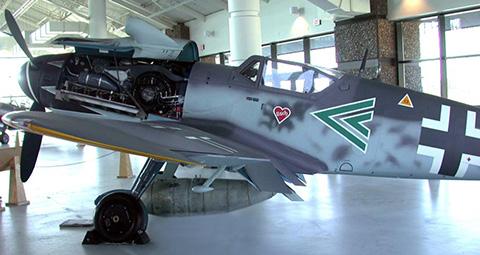
- by Dave Hall
Messerschmitt BF-109: Luftwaffe’s Greatest Fighter
- by Dave Hall
This site uses cookies for better user experience and analytics.
The Messerschmitt BF 109 was considered one of the best WWII fighters and the backbone of the German Luftwaffe fighting force. It was the most produced German fighter during WWII, and one of the most produced warbirds of WW2 with nearly 34,000 produced. MotoArt is pleased to offer Messerschmitt BF 109 PlaneTags, with a portion of the proceeds to benefit the Spirit of Flight Foundation’s restoration project.

The Messerschmitt BF 109 (also known as ME 109), a Luftwaffe fighter, first saw service in 1937 during the Spanish Civil War and continued serving in the German Army throughout the end of World War II. Its design was simple and direct - a very large engine in the smallest possible airframe, and the airframe itself was uncomplicated to produce and repair. In fact, it was the most produced German fighter during WWII, boasting the longest production and service of any piston powered fighter. It was one of the first fighters to feature an all metal airframe, enclosed cockpit, retractable landing gear, and variable pitch propeller. The model F, widely considered as the best variant and one of the best planes of the war, had superior speed and maneuverability and an all-round top performance.

Plane 610937 is a BF 109 G-10/U4, built at the Erla Werke in Leipzig, Germany in 1944. Research on this plane indicates that it was built as a G-14, but upgraded to a G-10/U4 in late 1944. It was abandoned at Zeltweg Air Base, now Fliegerhorst Hinterstoisser, in Austria after the war, but saw service again as part of the Bulgarian and Yugoslavian Air Forces into the 1950’s. It was stored in 1953, then declared as scrapped and donated to a technical school to be used for instruction. Over the years, it has been on display with different collections, and has been restored to flight-worthy condition. During the restoration, the original skins were removed and stored. These skins, most likely wing panels, were acquired by MotoArt Studios in 2020. The plane itself is on display now at the American Heritage Museum in Hudson, MA.


MotoArt owner Dave Hall found out about the availability of material from Werknummer 610937 and knew immediately that he wanted to create Messerschmitt PlaneTags. “It was just unreal to be able to get BF 109 material and add this plane to our encyclopedia of aircraft,” says Hall. “And then to have these particular PlaneTags be a part of such an important restoration project for another BF 109 is an awesome opportunity.” MotoArt is donating 25% of proceeds from the BF 109 PlaneTags to the Spirit of Flight Foundation. The money will be used for restoration efforts of Werknummer 10145.
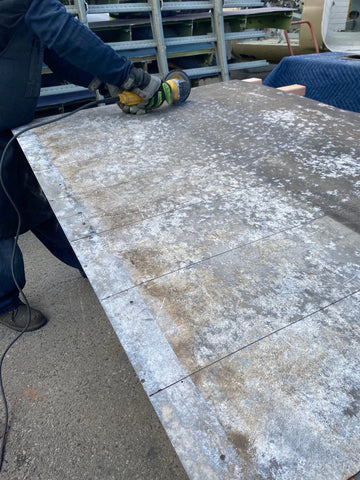
The history of this particular plane is interesting and well documented. It was recovered by Warbird Recovery from Northern Russia in 1994. The plane was originally shot down on July 19th, 1942, during aerial combat with Soviet fighters while acting as escort for Ju 88 bombers. The wreckage remained there until it was recovered, then transported to Broomfield, Colorado. According to RECOVERED: Messerschmitt Bf 109F-4 Trop, the plane is being restored to original flying condition by Warbird Recovery and Legend Flyers, and will be displayed at Spirit of Flight Foundation Air Museum in Broomfield, CO.


“Our mission is to acquire, restore, preserve and display aviation history to honor all American veterans, to educate the general public of the significance of aviation, and to inspire future generations to become involved in aviation and/or aviation history.”
The Spirit of Flight Center (SOF) is the home of many unique historical aviation artifacts and one-of-a-kind aircraft. This aviation collection features items from the past, present, and future of flight and has been visited by over 70,000 guests from all over the globe. Some of their collection, including many rare WWII fighter aircraft and aircraft engines, have been recovered by Warbird Recovery. They have also collected art, uniforms, bombs, aircraft parts, memorabilia and more from all over the world. Their work is a tribute to aviation history and a way to honor veterans who have defended freedom. It is also a living lesson to the public on aviation history, with The Spirit of Flight History Gallery (open by appointment and special days) and a mobile air museum which travels to events across the country. This non-profit is supported by aircraft and parts sales, gift shop sales, donations of memorabilia, and some corporate and private donations.

The newest PlaneTags from MotoArt Studios are numbered to 5,000. Each one is a unique piece of aviation history, with a beautiful weathered patina that varies in each one. They were handcrafted at MotoArt Studios in Torrance, California. They come attached to the informative display card with a strong ring, and can be used as a luggage tag or keyring. These aviation collectibles also make a great pilot gift or gift for your favorite avgeek or for your own collection.

Add these other WWII mementos to your collection before they are gone:
B-25 WWII BOMBER PlaneTag Serial# 44-30090
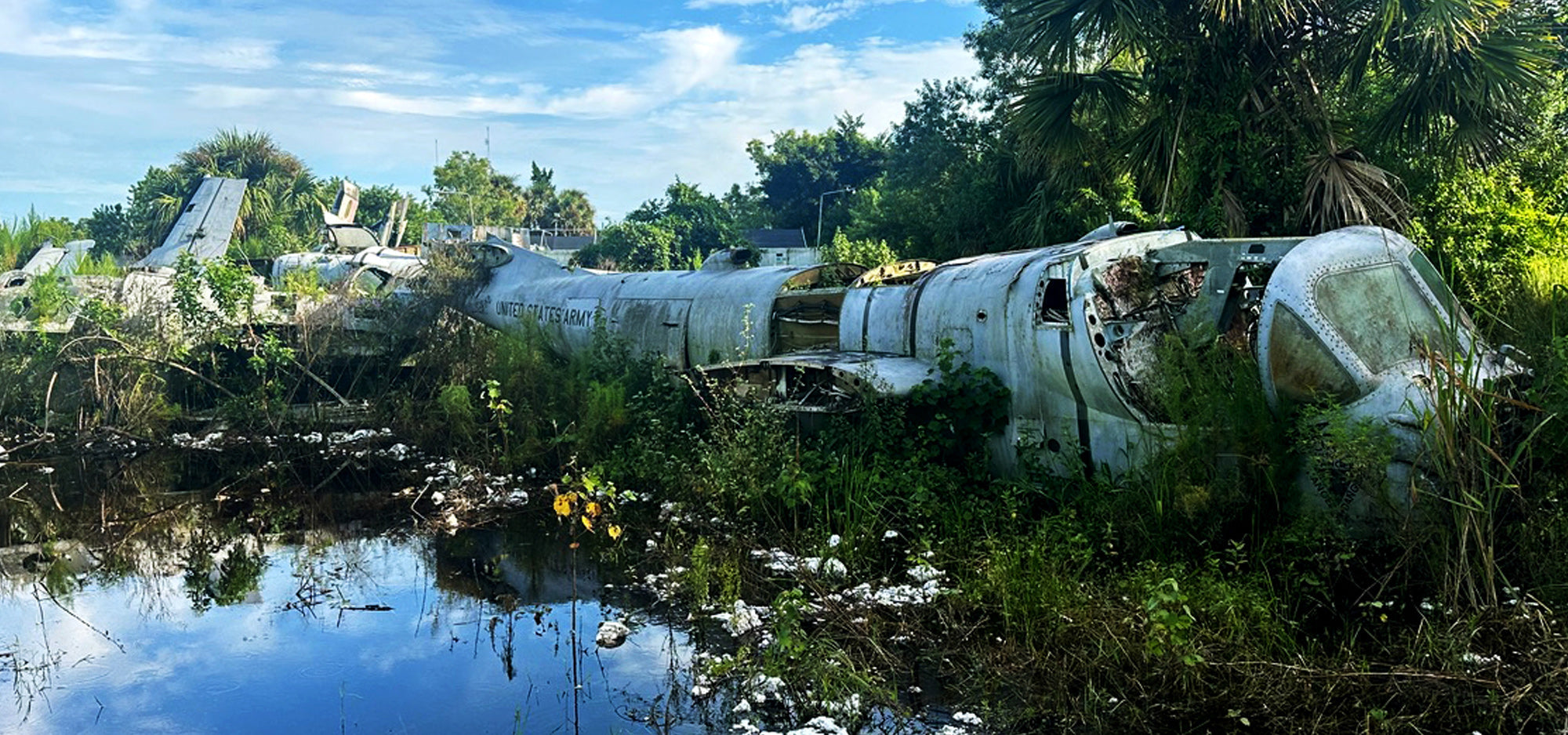
Grumman OV-1D Mohawk: The U.S. Army's Battlefield Eye in the Sky
The Grumman OV-1 Mohawk was one of the most capable and technologically advanced reconnaissance aircraft operated by the U.S. Army during the Cold War. Designed to gather intelligence close to the front lines, the Mohawk combined short takeoff and landing performance with sophisticated sensor systems that allowed it to detect and monitor activity on the ground in nearly any weather conditions.
At a time when battlefield commanders increasingly relied on timely intelligence, the Mohawk provided information that could not always be obtained through traditional observation methods. Equipped with infrared sensors, cameras, and side-looking airborne radar systems, it helped military planners track troop movements, monitor supply routes, and identify potential threats day or night.
Over a service life that spanned more than three decades, the Mohawk flew missions in Vietnam, served with Army intelligence units in Europe during the height of the Cold War, and helped pioneer many of the airborne surveillance techniques that later became standard throughout the military.
Today, PlaneTags made from OV-1D Mohawk serial number 62-5902 preserve the legacy of an aircraft that played a critical role in military reconnaissance during a period of rapid technological change.
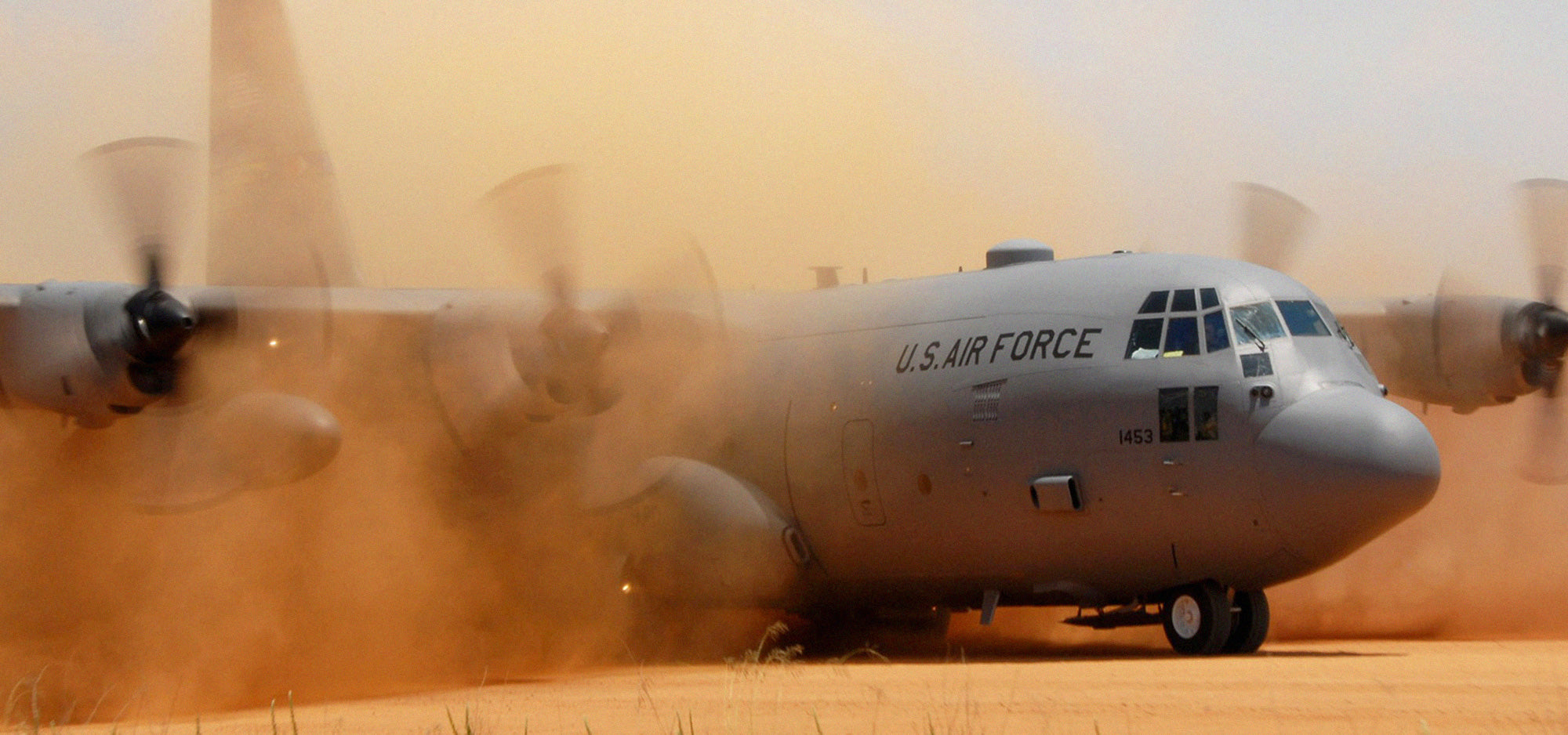
Built for Any Mission: The Lockheed C-130 Hercules
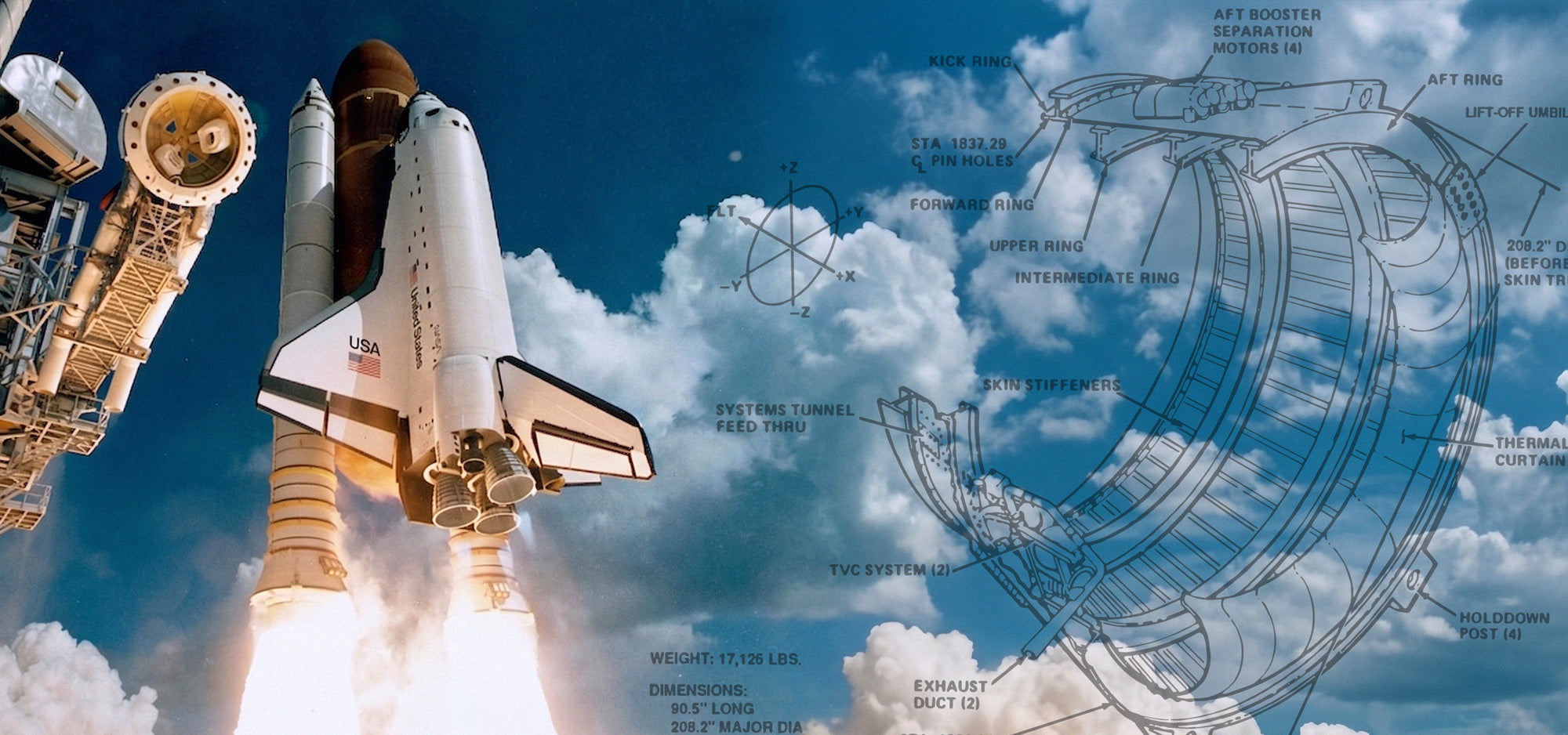
From Liftoff to Legacy: The Story of the Space Shuttle’s Solid Rocket Boosters
Share:
ANA’s Triple 777 - A Jet for a New Century
Aeroflot MD-11F: Connecting Cargo With The World