

- by Dianna Lopez
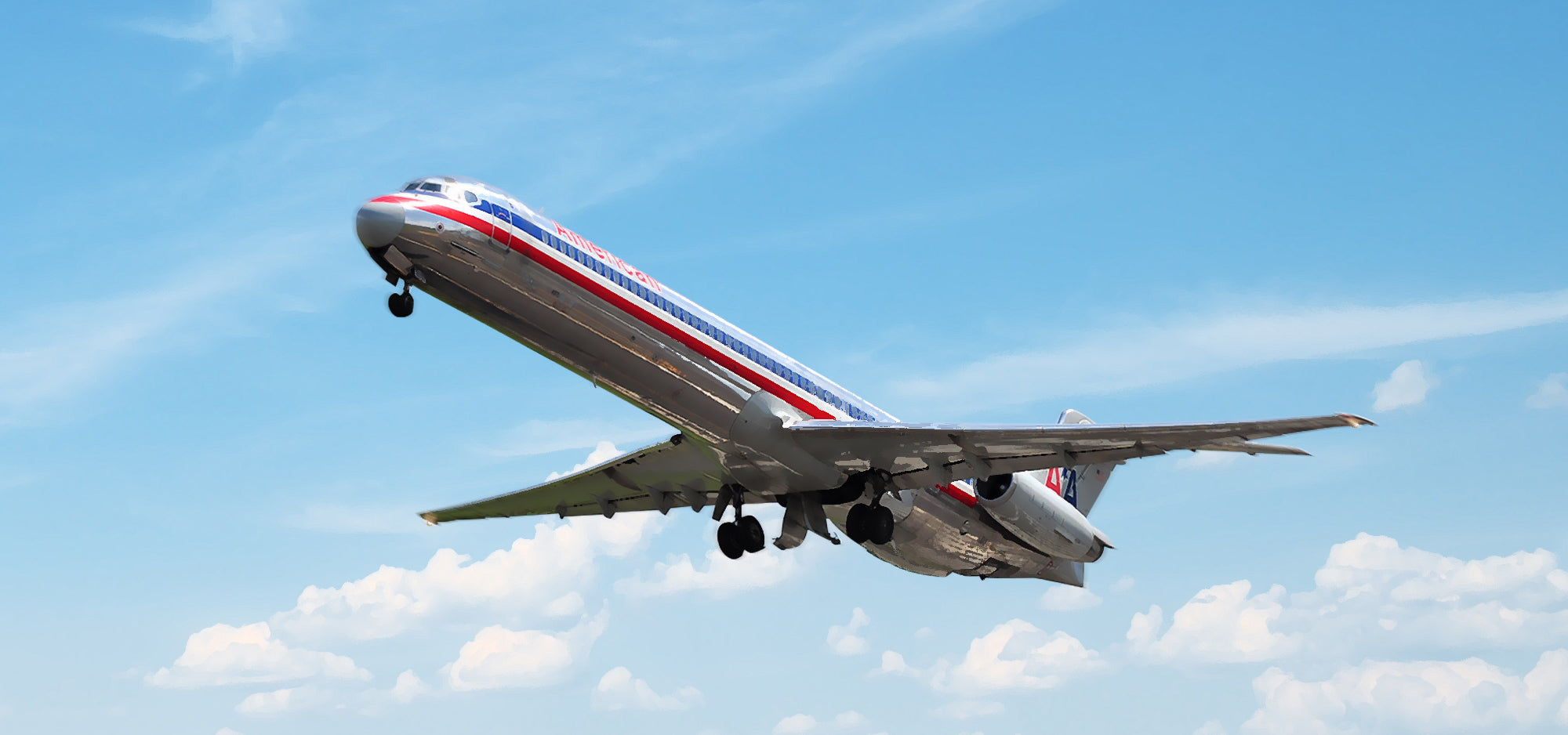
American Airlines MD-82 N470AA: The Super 80 That Defined an Era
- by Dianna Lopez
A question? Visit our contact page
This site uses cookies for better user experience and analytics.
As American Airlines approaches its 100-year anniversary in 2026, it's the perfect time to reflect at the aircraft that supported its growth over the decades.
One of the most recognizable of those aircraft was the McDonnell Douglas MD-80, often referred to as the “Super 80.” Although it was no longer the newest aircraft by the end of its service life, it remained central to domestic air travel in the United States.
MD-82 N470AA is one of those aircraft. Delivered in 1988 and flown for nearly 28 years, it represents a period when the MD-80 was a consistent and familiar presence in the flying experience. American Airlines MD-82 PlaneTags will be released Thursday, April 2, 2026 on planetags.com.
The McDonnell Douglas MD-80 series was developed from the earlier DC-9, a successful short- to medium-range airliner introduced in the 1960s. As airlines sought greater capacity and improved performance, McDonnell Douglas introduced an updated version known as the DC-9-80.

American N470AA: McDonnell-Douglas MD82 flickr photo by formulanone shared under a Creative Commons (BY-SA 2.0) license
The updated design featured a longer fuselage, larger wings, and more powerful engines. It was later rebranded as the MD-80, though the nickname “Super 80” remained widely used, especially among airlines and passengers.

McDonnell Douglas MD-80, American Airlines, DFW maintenance, closeup of engine, tail flickr photo by wbaiv shared under a Creative Commons (BY-SA 2.0) license
The MD-80 retained the DC-9’s general layout, including rear-mounted engines and a T-tail. This configuration allowed for efficient operations across a wide range of airports while also simplifying ground servicing.
By the early 1980s, the MD-80 had entered service and quickly became a preferred choice for airlines operating high-frequency domestic routes.
The McDonnell Douglas MD-80 is not a single aircraft, but a family of closely related variants developed from the earlier DC-9. Originally introduced as the DC-9-80, the series was later rebranded as the MD-80. The name “Super 80” was widely used by airlines and remains a common nickname today.
Within this family, there are several variants, including the MD-81, MD-82, MD-83, MD-87, and MD-88. While they share the same overall design, each version was built with slightly different performance characteristics.

By Tdhla1 - File:Mcdonnell Douglas MD-80-90 FAMILY.tif, CC BY-SA 4.0, Link
The MD-82, which includes aircraft N470AA, was one of the most widely used variants. It was equipped with higher thrust engines compared to earlier versions, allowing for improved performance on shorter runways and in warmer operating conditions.
In practical terms, most passengers would not notice a difference between MD-80 variants. The cabin layout, general appearance, and overall flying experience remained consistent across the series. For airlines, however, these differences allowed operators like American Airlines to match aircraft performance to specific routes and operating needs.

Few airlines were more closely associated with the McDonnell Douglas MD-80 than American Airlines. Beginning in the 1980s, American built one of the largest MD-80 fleets in the world. For many years, the aircraft served as the backbone of its domestic network, operating routes across the United States.
The MD-80’s capacity and range made it well matched to American’s route structure. It operated on short- and medium-haul routes, connecting major hubs with regional markets. For passengers, the aircraft became a familiar presence in air travel. Its cabin layout and rear-mounted engines were consistent features across many flights.

A McDonnell Douglas MD-80 T-tail installation by MotoArt, created from an American Airlines aircraft and now on display at Charlotte Douglas International Airport.
To explore other aircraft that shaped the airline’s fleet, visit our American Airlines Heritage Collection, including the Airbus A330 and DC-10.
N470AA was built as an MD-82 and delivered to American Airlines in October 1988.

N470AA - McDonnell Douglas MD-82 - American Airlines flickr photo by Colin Brown Photography shared under a Creative Commons (BY 2.0) license
As part of the MD-80 family, it shared the design and performance characteristics that made the type effective for domestic service. The MD-82 variant featured higher-thrust engines, supporting operations across a variety of routes and conditions.
Over the course of 27.9 years, N470AA remained an active part of American Airlines' fleet. It operated during a period of significant change in the airline industry, including advancements in technology and fleet modernization.
It was retired in July 2016 as American Airlines began replacing the MD-80 with newer aircraft.

Photo by @cat3photos, shared on Instagram
By the 2010s, the McDonnell Douglas MD-80 was becoming less efficient compared to newer aircraft such as the Boeing 737 and Airbus A320 family. Newer aircraft offered improved fuel efficiency, lower operating costs, and updated passenger amenities. As a result, airlines gradually retired their MD-80 fleets.
American Airlines completed the retirement of its MD-80 aircraft in 2019, ending more than three decades of service.
After retirement, aircraft like N470AA are often stored, parted out, or scrapped.


Material from N470AA was recovered from Roswell, New Mexico, and brought back to MotoArt Studios in Torrance, California, where it was transformed into PlaneTags.
Each tag is cut from the aircraft’s aluminum skin, then cleaned and polished while preserving the original markings and surface details. Variations in color and wear reflect it's time in service.
Explore more aircraft preservation stories on our blog, including widebody aircraft like the American Airlines A330.
The McDonnell Douglas MD-80 was built to be reliable and adaptable.
Its widespread use across the United States made it one of the most commonly flown aircraft types for several decades. For many travelers, it represents a familiar and consistent flying experience.
That familiarity makes MD-80 PlaneTags especially meaningful for collectors and aviation enthusiasts.

American Airlines centennial logo, from news.aa.com
Founded in 1926, American Airlines began as a mail carrier, operating routes between Chicago and St. Louis. Over the past century, it has grown into one of the largest airlines in the world, serving more than 350 destinations across 60 countries and employing more than 139,000 people.
Aircraft like the MD-80 played a key role in that growth, connecting cities and providing reliable domestic service for decades. As American Airlines celebrates 100 years, aircraft such as N470AA represent a lasting part of that history.
MD-82 N470AA served for nearly 28 years as part of American Airlines' fleet. Today, it is preserved as PlaneTags, offering collectors a tangible connection to an aircraft that was once a regular part of everyday air travel.
Explore more aircraft from across the American Airlines story:
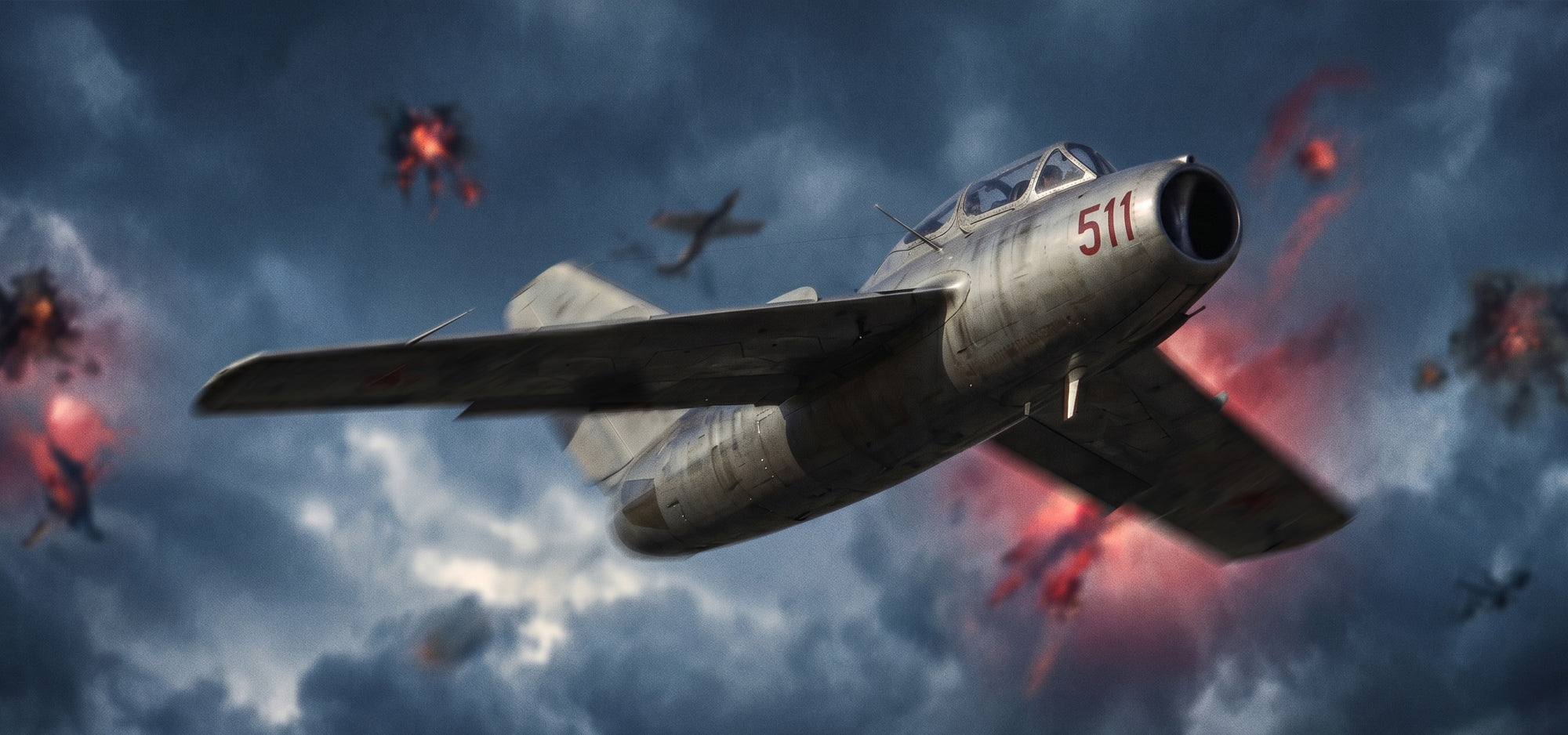
MiG-15: Cold War History Built Behind the Iron Curtain
The MiG-15 was one of the most influential jet fighters of the early Cold War. With its swept wings, near-transonic speed, and devastating cannon armament, it changed aerial combat forever and became a feared adversary in the skies over Korea.
Now, MotoArt is preserving the legacy of this iconic Soviet fighter with authentic PlaneTags made from the skin of Polish-built SBLim-2 N2400X “Red 511.” This rare trainer variant served for decades before eventually making its way to the United States, where it was preserved in 2026 for aviation enthusiasts and collectors alike.

Two NASA T-38 Talons: Training the Pilots and Astronauts Who Pushed the Limits
Some aircraft make headlines. Others make history behind the scenes.
The Northrop T-38 Talon is one of the most important jets most people never think about. Introduced in the early 1960s, it became the world’s first supersonic trainer and has shaped generations of high-performance pilots.
At NASA, the T-38 still plays a critical role today. Long before launch, astronauts are in the cockpit of a Talon, building the precision and discipline required for spaceflight.
This release features two NASA T-38 Talons. Each followed a different path. Together, they represent the full scope of NASA flight.

Life Aboard USS Midway: The Doors That Held It All Together
The newest Midway PlaneTags are made from authentic USS Midway watertight doors, including doors such as 2-75-6.
Located below deck, these doors connected the spaces where sailors lived and worked. Layers of paint and wear reflect years of daily use.
Open. Closed. Passed through thousands of times.
Through MotoArt’s partnership with the USS Midway Museum, this material has been preserved and given a second life.
Share:
Bristol Beaufort A9-535: A Torpedo Bomber from the Pacific War
Life Aboard USS Midway: The Doors That Held It All Together