

- by Dave Hall
ANA’s Triple 777 - A Jet for a New Century
- by Dave Hall
This site uses cookies for better user experience and analytics.
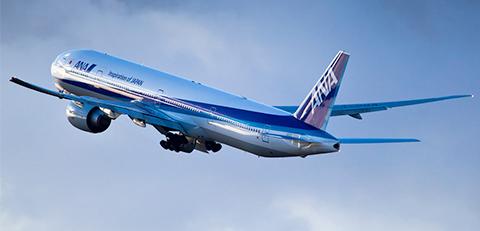
Boeing’s Triple 7 was the first airplane designed completely by computer. With the help of the major airlines, including All Nippon Airways, the were able to create the most produced Boeing wide-body jet ever and one of the safest and most successful aircraft in aviation history. Read about the 777 and add the ANA Triple 777 PlaneTag to your collection.

DSC08559 flickr photo by m-takagi shared under a Creative Commons (BY) license
In 1989, Boeing worked together with the major airlines, including All Nippon Airways, to design a twin-engine jet. Representatives from the airlines, the “Working Together” group, each completed a 23 page questionnaire about what they and their passengers would like to see in the new design. One of ANA’s contributions was a suggestion for radial tires, which was incorporated into the final design.
 Courtesy of Boeing
The result was an aircraft that would become the biggest two engine jet ever to soar. Its basic design included capacity for up to 325 passengers in a cabin similar to the 747, configurable interior areas, a glass cockpit, fly-by-wire control system and 10% better seat/mile costs.

Using 3D CAD software called CATIA, designers were able to create a virtual aircraft. They were able to preassemble the plane digitally, then test and replace thousands of parts with highly accurate simulations without the need for an expensive physical mock up. The result was an aircraft that was aerodynamically advanced with better fuel economy. The accuracy of this work was put to the test when Boeing created a physical mock up of the nose to test the results, finding that alignment was no more than 0.03mm off and more accurate than a human engineering team could have been.
Production began with 118 orders by 10 airlines, including ANA. The 777s with Pratt & Whitney engines, including ANA’s, were awarded with ETOPS-180, allowing them to be used for trans-oceanic routes as long as they do not fly further than 180 minutes from an alternative landing site.
Although there have been multiple 777 upgrades and variations since then, the aircraft is still in service today. The 777 is available as the 777-200, 777-200ER (Extended Range), 777-300, 777-300ER, 777-200LR Worldliner (the world’s longest range commercial airplane), Boeing 777 Freighter, and possibly in 2021 the 777-9. The flexibility and robust design of the 777 means it will be possible to experience a 777 flight for decades to come.

JA879A flickr photo by Alec BHX/KKC shared under a Creative Commons (BY-SA) license

In-Flight Magazine & Japanese Tea flickr photo by Hyougushi shared under a Creative Commons (BY-SA) license
JA8968 was delivered to All Nippon Airways in August 1996. She served exclusively with ANA for 21 years before she was withdrawn from use on February 10, 2017 and stored at Victorville Airport (VCV) February 22, 2017. She was part of an ANA fleet of 28 777-200s, used for both domestic and international flights. The 777-200 was well regarded for its business class seating. Today’s ANA 777-300 ER offers an exceptional business class experience with “The Room”. The Room is considered as the “gold standard” of business class flight, with the largest seats in the industry and impressive business class cabin size.

“We offered an ANA 777 PlaneTag from JA8199 and it sold out very quickly,” said MotoArt owner Dave Hall. “When we found out that JA8968 was available we jumped at the chance to get this plane and offer it as a PlaneTag.”


Our newest PlaneTags are numbered to 5,000. They are available in dark blue, light blue, white, and combos. “Our combo PlaneTags are sought after by collectors and are always the first to go,” says Hall. “Grab one for your collection before they are gone.


Photo courtesy of Malcolm Nason shanairpic
Don’t miss these 777s for your collection:
Japan Air Lines 777 Fuselage Mirror
All Nippon Airways 777 Fuselage Mirror
ANA’s 767: The $71 Million Dollar Plane
Southwest and its 737s: Soaring to New Heights
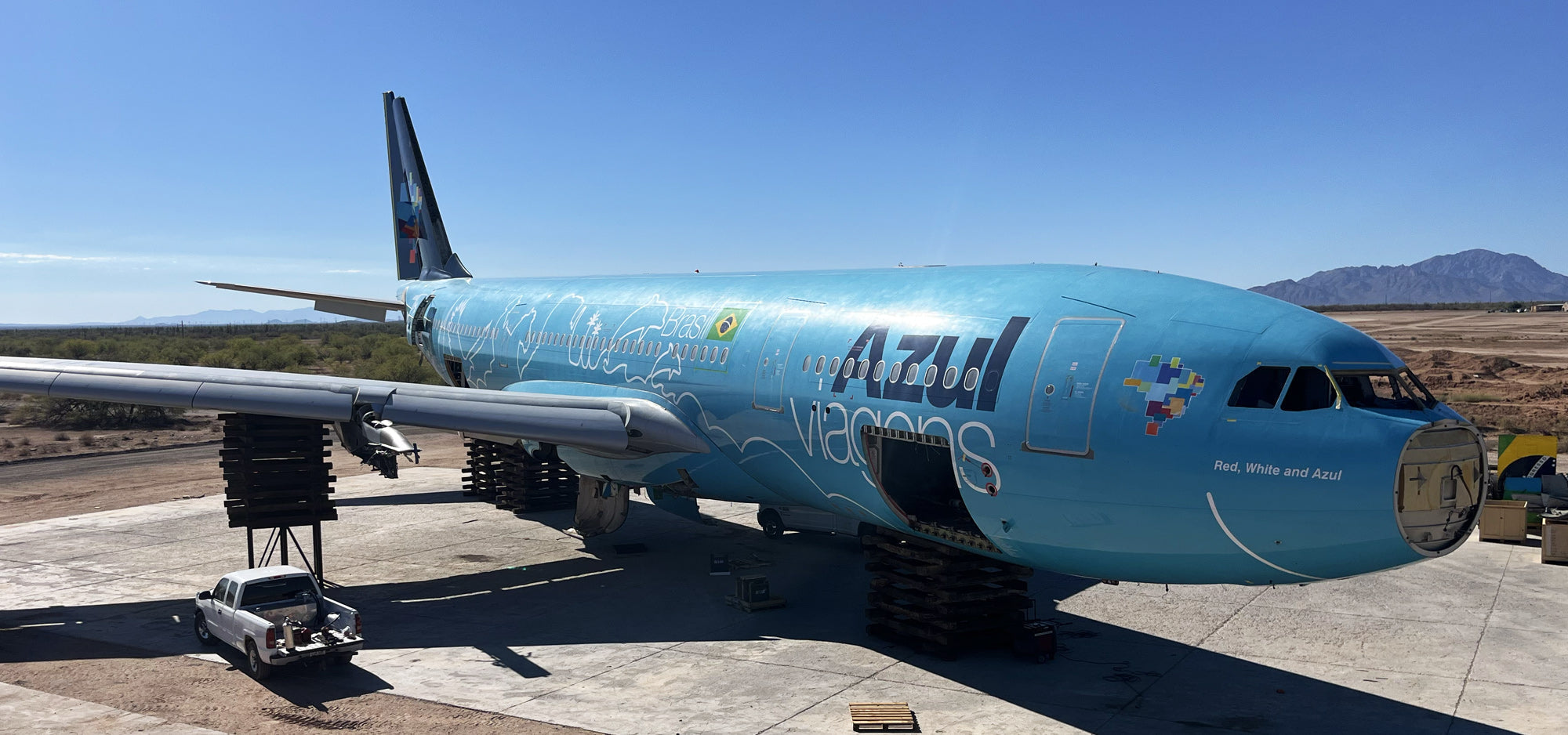
The Airbus A330 That Helped Take Azul Beyond Brazil
The aircraft operated its final passenger flights for Azul before being retired from service and placed into storage. Like many widebody aircraft retired in recent years, its future was uncertain. For many airliners, retirement marks the beginning of a slow journey toward dismantling and recycling, with little remaining to tell the stories of the passengers and crews who flew aboard them. For PR-AIU, however, the story was not over.
When MotoArt founder Dave Hall learned the aircraft had been retired, he recognized an opportunity to preserve a piece of an important chapter in commercial aviation history. Rather than allowing the aircraft to disappear entirely, Hall and the PlaneTags team traveled to inspect and acquire material from the retired Airbus A330, ensuring that part of the aircraft would survive long after its flying days had ended.
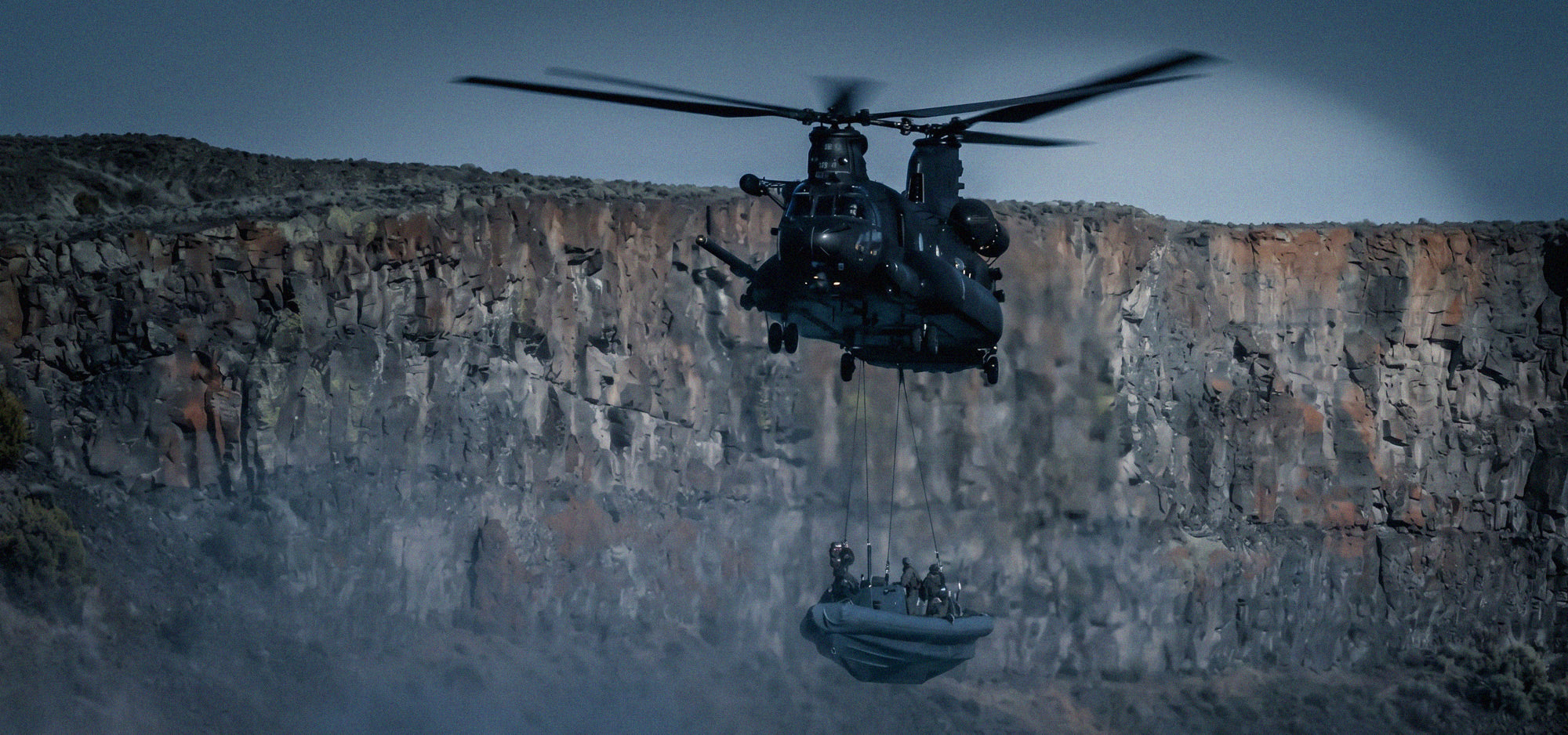
Three Identities, One Aircraft: The Story of MH-47G 05-03761
Some aircraft serve a single role throughout their careers. Others evolve with the times.
MH-47G Chinook 05-03761 is one of the rare aircraft that spent decades transforming alongside the U.S. Army itself. What began life as a CH-47A Chinook during the Vietnam era would later be rebuilt into a CH-47D before ultimately becoming an MH-47G, one of the world's most capable special operations helicopters.
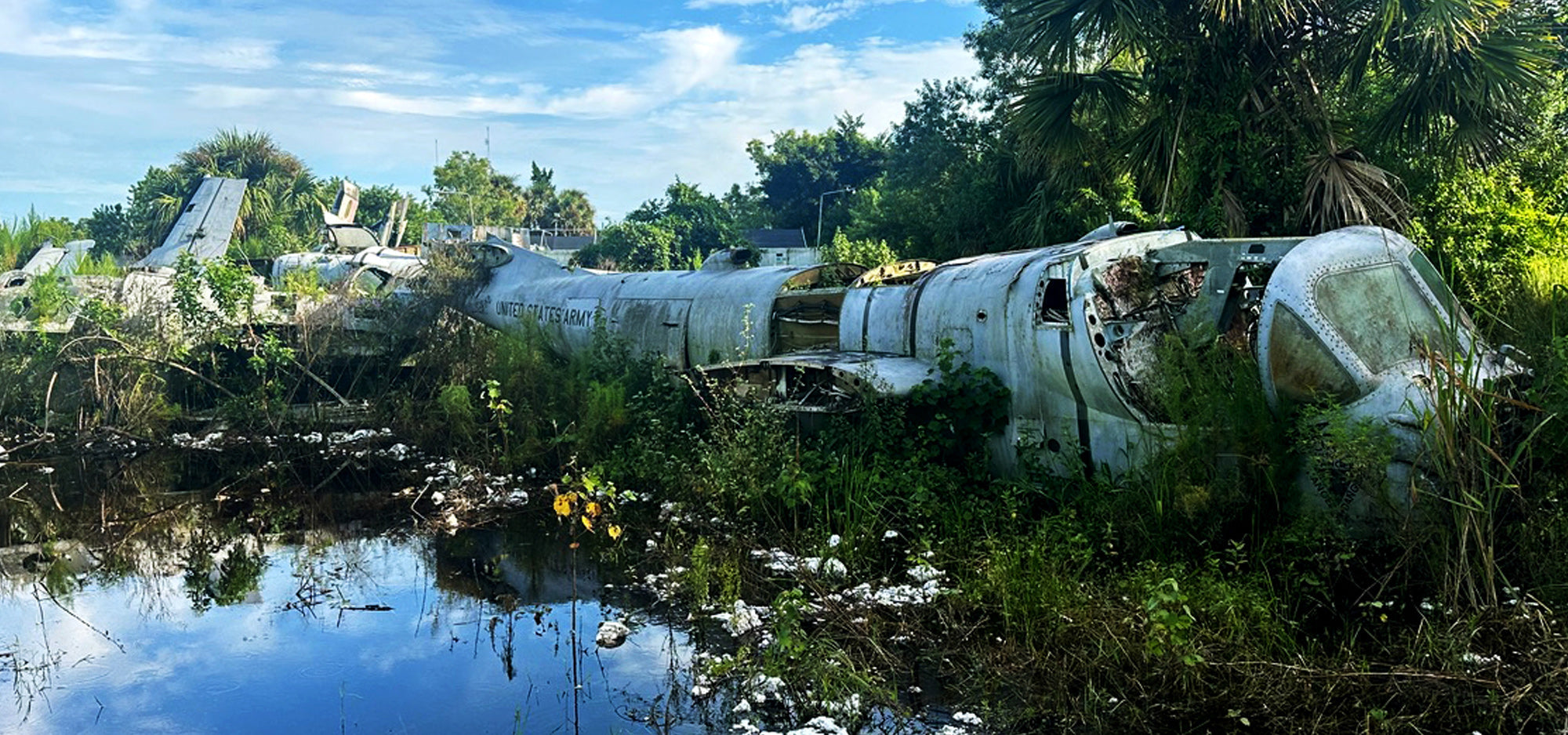
Grumman OV-1D Mohawk: The U.S. Army's Battlefield Eye in the Sky
The Grumman OV-1 Mohawk was one of the most capable and technologically advanced reconnaissance aircraft operated by the U.S. Army during the Cold War. Designed to gather intelligence close to the front lines, the Mohawk combined short takeoff and landing performance with sophisticated sensor systems that allowed it to detect and monitor activity on the ground in nearly any weather conditions.
At a time when battlefield commanders increasingly relied on timely intelligence, the Mohawk provided information that could not always be obtained through traditional observation methods. Equipped with infrared sensors, cameras, and side-looking airborne radar systems, it helped military planners track troop movements, monitor supply routes, and identify potential threats day or night.
Over a service life that spanned more than three decades, the Mohawk flew missions in Vietnam, served with Army intelligence units in Europe during the height of the Cold War, and helped pioneer many of the airborne surveillance techniques that later became standard throughout the military.
Today, PlaneTags made from OV-1D Mohawk serial number 62-5902 preserve the legacy of an aircraft that played a critical role in military reconnaissance during a period of rapid technological change.
Share:
Hawaiian Airlines L-1011: A True Flower In The Sky
Messerschmitt BF-109: Luftwaffe’s Greatest Fighter