

- by Dianna Lopez
Boeing 737: The Piedmont Pacemaker
- by Dianna Lopez
This site uses cookies for better user experience and analytics.
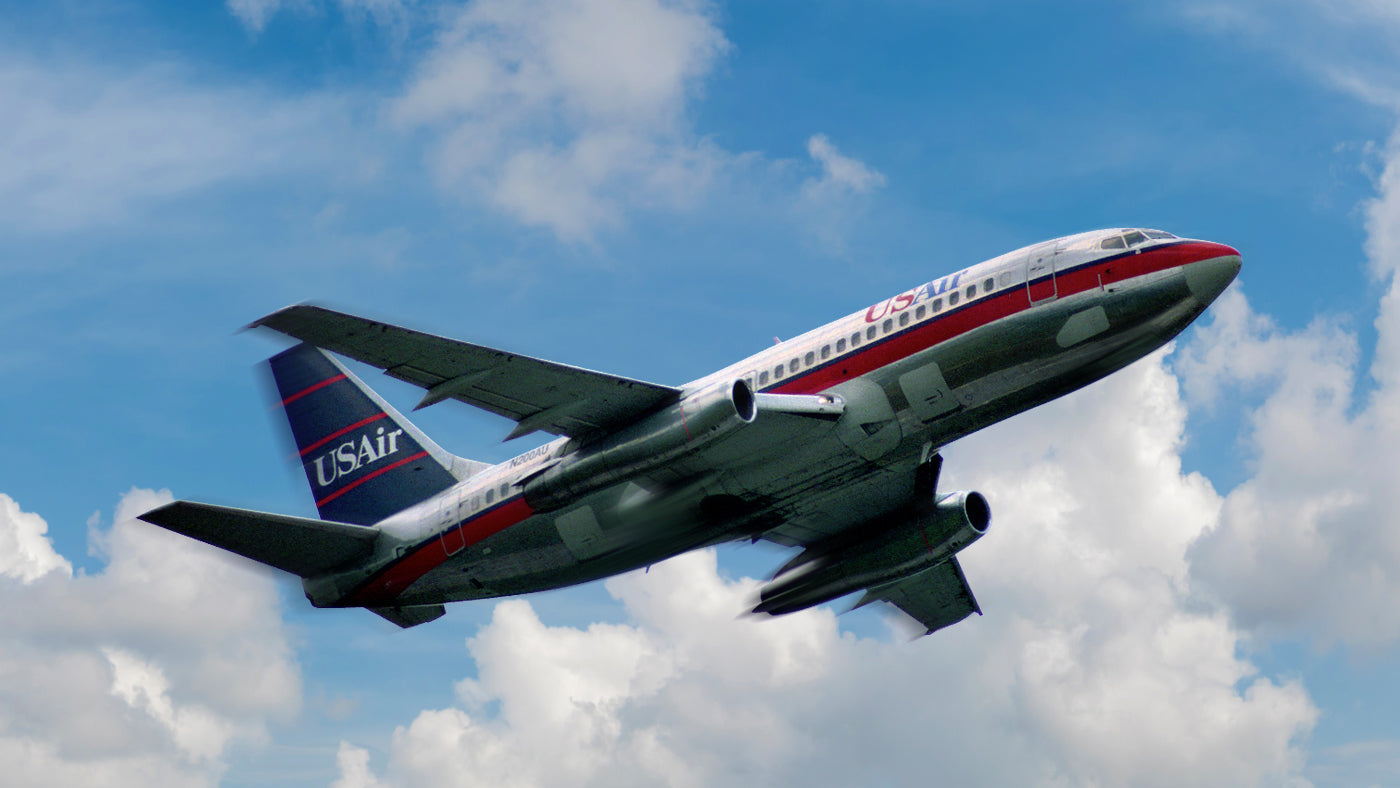
Piedmont Airlines, later absorbed into USAir, was founded in 1948 and grew from a humble regional carrier to a successful airline with its use of Boeing 737s. Read about Piedmont’s first 737-200, the Piedmont Pacemaker, - N734N, also known as N200AU.

Piedmont Airlines was a regional airline that operated in the eastern United States from 1948 until it was merged with USAir in 1989. During its operation, Piedmont Airlines became known for its pioneering use of the Boeing 737, which helped to revolutionize the airline industry in the 1960s and 70s.

Photo courtesy of the Piedmont Aviation Historical Society
Piedmont Airlines was one of the first regional airlines to order the Boeing 737, with an initial order of six aircraft in 1966. The 737 was a new and innovative aircraft that had just been introduced by Boeing, and Piedmont saw the potential for the aircraft to help them expand their route network and increase passenger capacity. The 737 was smaller than many of the other aircraft in use at the time, which made it an ideal choice for regional airlines like Piedmont.
Enjoy this Piedmont Airlines commercial, one of several the airline made around 1981, advertising the Up and Coming Airline.
The 737 quickly became a workhorse for Piedmont Airlines, with the airline eventually operating a fleet of over 120 737s. The aircraft allowed the airline to offer more frequent flights and to serve smaller airports that were inaccessible to larger aircraft. Piedmont was also known for its use of the 737-200 Advanced, which had an extended range and was used to operate longer routes.
Piedmont Airlines was eventually acquired by USAir in 1989, and the Piedmont brand was retired. However, the airline's pioneering use of the 737 helped to establish the aircraft as a popular choice for regional airlines and set the stage for the continued success of the 737 in the decades that followed.
Today, Piedmont, a wholly-owned subsidiary of the American Airlines Group, operates around 400 daily departures to over 50 cities throughout the East Coast, with a fleet of 50 Embraer ERJ-145 twin engine regional jets.
Piedmont's planes were called the Pacemakers, and the airline's motto was "Piedmont Sets The Pace." Each plane's name was painted on the nose and were named after cities, locations, and geographical or cultural reference points along the route system. This naming convention began with their DC-3 fleet. The last aircraft to be named a Pacemaker was a 737-400, aptly christened the Thomas H. Davis Pacemaker, after the founder of Piedmont Airlines.
The Boeing 737 is a short- to medium-range twinjet narrow-body airliner that has become one of the most popular and successful aircraft in aviation history. The development of the 737 began in the early 1960s, when Boeing was looking to expand its commercial aircraft line beyond the 707 and 727 models. The company's market research indicated a need for a smaller, more efficient jet airliner to meet the demands of regional airlines and low-cost carriers.

The first 737 prototype, the 737-100, made its maiden flight in April 1967. The aircraft was powered by Pratt & Whitney JT8D engines and could carry up to 100 passengers. However, the initial sales of the 737-100 were slow, with only 30 aircraft being sold.
To increase the aircraft's appeal, Boeing developed the larger 737-200, which could carry around 120 passengers and had a longer range. The -200 series was introduced in 1968 and quickly became a popular choice for airlines around the world. The 737-200's success helped cement Boeing's position as a leading manufacturer of commercial aircraft.
Over the years, Boeing continued to develop the 737, introducing new variants with more advanced technology, improved engines, and greater fuel efficiency. The 737 has gone through four generations, and the latest variant, the 737 MAX, entered service in 2017. The MAX is equipped with advanced avionics, new engines, and other features designed to reduce fuel consumption and operating costs.
Despite its success, the 737 has faced several challenges throughout its development. The most significant of these was the grounding of the 737 MAX in 2019 following two fatal crashes attributed to a faulty software system. The incident led to a significant overhaul of the aircraft's design, including the implementation of a new software system, training for pilots, and increased oversight by regulatory agencies. Despite these challenges, the 737 continues to be a popular choice for airlines around the world, and it is expected to remain in service for many years to come.


Piedmont Airlines Boeing 737-200; N734N, October 1987 flickr photo by Aero Icarus shared under a Creative Commons (BY-NC-SA) license
This 737, MSN 19418, was built as a 737-201. According to airfleets.net, its first flight date was May 24, 1968.

Photo by EX/ZX, used with permission.
Registered as N734N, our 737 flew a record-breaking delivery flight to Piedmont Airlines in 1968, from Seattle, WA to Wilmington, NC in four hours, 47 minutes. Christened the "Piedmont Pacemaker", N734N began scheduled service in June 1968 as Piedmont’s first 737-200. N734N and its contemporaries helped Piedmont to grow rapidly and expand its East Coast routes, attracting the attention of USAir, who acquired the airline in 1989. After the merger, USAir became one of the largest airlines on the East Coast.
For a glimpse at what it might be like to fly in a Piedmont 737-200, take a look at this safety demo video.

Ex-USAir 737 N200AU flickr photo by Ian E. Abbott shared under a Creative Commons (BY-NC-SA) license
N734N was reregistered as N200AU and continued to fly with USAir until its retirement in 1997. After retirement, it languished in the Arizona desert until MotoArt acquired it for PlaneTags in 2022.
MotoArt owner Dave Hall spotted the 737 while on a trip to Arizona for a different plane. “This 737, a record setting plane with lots of significance, was being used as a quonset hut, with equipment stored inside,“ recalls Hall. “It had a story to tell and we wanted to share it.” Hall purchased what remained of the plane in 2022. Here are some of Hall’s photos.


Our Boeing 737-200 PlaneTags are now available on planetags.com. They are branded with the USAir logo and dressed in the classic USAir livery colors.
They will be released in the following color variants:


There are a limited number of combos and they will sell out almost immediately. Don't miss out adding a set to your collection. Sign up for our mailing list so that you don't miss a release.
We also offer Aloha Funbird 737 PlaneTags. They were released in 2018 and have found their way into the collections and hearts of many collectors. Don’t miss adding one to your collection.

From Runway to Fairway: The Story Behind Our Delta 717 Golf Ball Markers
The Boeing 717 played a key role in Delta Air Lines’ short-haul fleet for years. Today, material from these aircraft is being reused in a new way. Delta 717 golf ball markers are made from authentic aircraft skin, turning a retired jet into a functional item used on the green.
MiG-15: Cold War History Built Behind the Iron Curtain
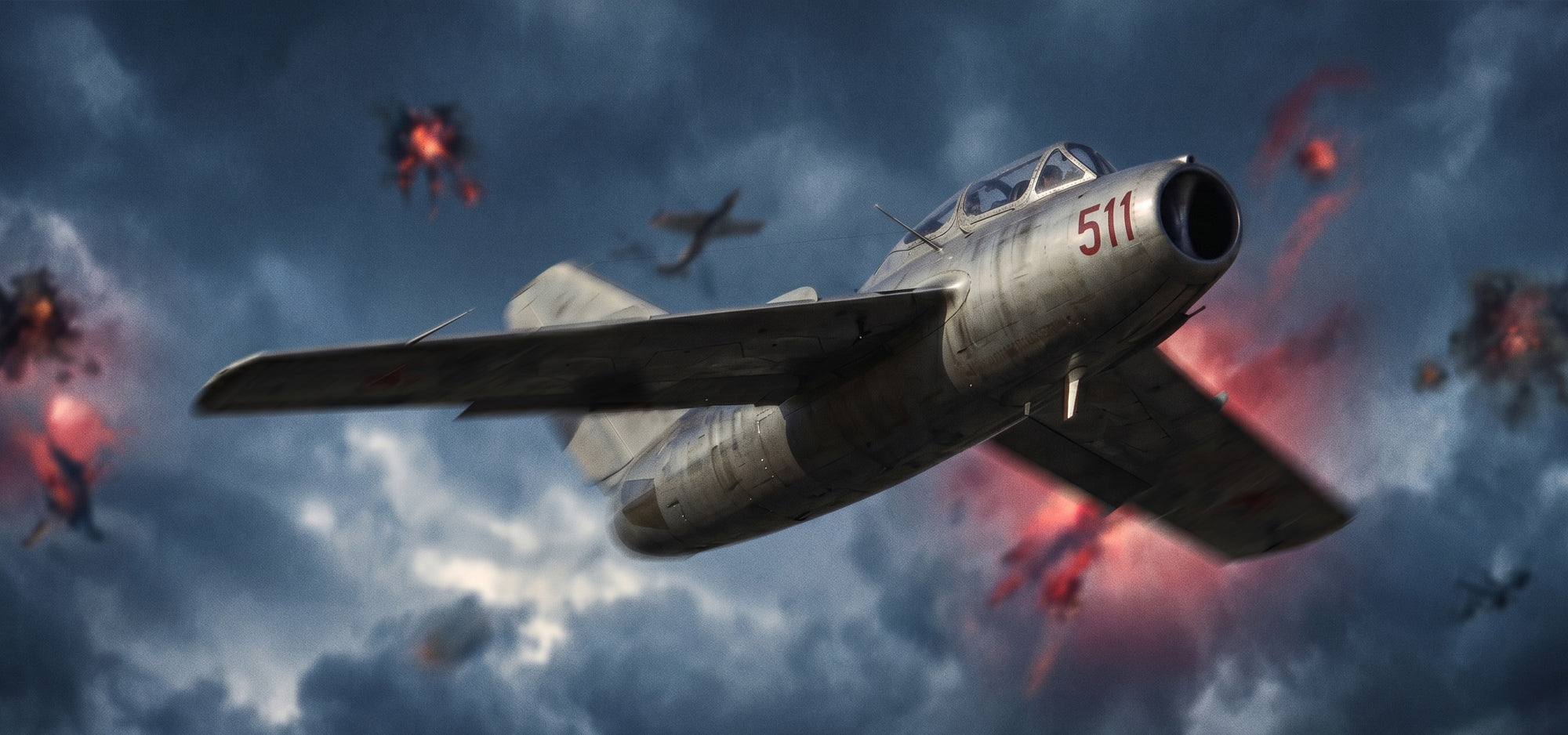
The MiG-15 was one of the most influential jet fighters of the early Cold War. With its swept wings, near-transonic speed, and devastating cannon armament, it changed aerial combat forever and became a feared adversary in the skies over Korea.
Now, MotoArt is preserving the legacy of this iconic Soviet fighter with authentic PlaneTags made from the skin of Polish-built SBLim-2 N2400X “Red 511.” This rare trainer variant served for decades before eventually making its way to the United States, where it was preserved in 2026 for aviation enthusiasts and collectors alike.

Two NASA T-38 Talons: Training the Pilots and Astronauts Who Pushed the Limits
Some aircraft make headlines. Others make history behind the scenes.
The Northrop T-38 Talon is one of the most important jets most people never think about. Introduced in the early 1960s, it became the world’s first supersonic trainer and has shaped generations of high-performance pilots.
At NASA, the T-38 still plays a critical role today. Long before launch, astronauts are in the cockpit of a Talon, building the precision and discipline required for spaceflight.
This release features two NASA T-38 Talons. Each followed a different path. Together, they represent the full scope of NASA flight.
Share:
A-10 Thunderbolt: The Turbofan Tank Buster
Dassault HU-25 Guardian: The US Coast Guard Falcon